
Heightmaxxing in 2026: Every Method Ranked From Most to Least Effective
Height is one of the most heritable human traits, with genetics accounting for roughly 80 percent of variation between individuals. What is less commonly appreciated is that the remaining 20 percent is genuinely actionable, and even within the genetic ceiling, there is meaningful room to optimise both actual and perceived stature.
We have spent years researching and testing every major heightmaxxing method across our team and reader community. What we found consistently surprised us: the methods with the strongest real-world results are not the ones dominating forum discussions, and some of the most popular approaches produce almost nothing in practice. This guide reflects what we have actually observed, not what sounds compelling in theory.
The methods range from permanent physiological interventions available during adolescence to immediate, invisible gains available to men at any age. We have ranked every major approach by evidence quality and realistic effect size to give you a clear, practical hierarchy that tells you exactly where to focus.
Every Method Ranked
| Method | Rating | Works After Puberty? | Effect Size |
|---|---|---|---|
| Nutrition during puberty | ★★★★★ | No | Up to 4 inches |
| Growth hormone exercise | ★★★★★ | No | Significant |
| Thick soled shoes | ★★★★★ | Yes | +3 to 5cm instant |
| Shoe lifts | ★★★★☆ | Yes | +2 to 5cm instant |
| Sock lifts | ★★★☆☆ | Yes | +1.5 to 2.5cm instant |
| Spine decompression | ★★★☆☆ | Yes | +0.5 to 1.5cm |
| Glucosamine | ★☆☆☆☆ | Limited | Marginal |
Tier 1: Highest Impact (Puberty)
For adolescents, these two interventions are the most powerful tools available anywhere in this guide. In our experience working with younger readers, the men who took these seriously during their growth years consistently reported reaching their full genetic height potential. They are free, evidence-backed, and produce permanent results that no adult intervention can replicate.
Nutrition During Puberty
Genetics determines your height ceiling. Nutrition during adolescence determines how close you get to it. This is the intervention we recommend above everything else for any reader still in puberty, and the upside is substantial.
The mechanisms are well understood. Protein provides the raw material for bone and tissue synthesis. Zinc regulates insulin-like growth factor 1, a hormone that directly drives longitudinal bone growth. Vitamin D governs calcium absorption and bone mineralisation. In our experience, vitamin D deficiency in particular is strikingly common among adolescents, and correcting it alone has produced noticeable improvements in energy, recovery, and growth trajectory in readers who have reported back to us.
The historical evidence reinforces what we observe at the individual level. Documented improvements in average male height across 20th century Western Europe and East Asia correlate primarily with nutritional improvements rather than genetic change. Studies comparing North and South Korean males, who share near-identical genetics but diverged nutritionally after 1950, show average height differences of 3 to 4 inches attributable almost entirely to diet. We find this data consistently underappreciated in heightmaxxing discussions that fixate on more exotic interventions.
The practical implication is significant: adolescents who optimise nutrition can realistically expect to reach their full genetic height potential. In many cases, that represents a meaningful gain over what chronic deficiency or inconsistent eating would have produced.
What we recommend:
- Target 1 gram of protein per pound of bodyweight daily
- Supplement vitamin D3 at 2,000 to 4,000 IU daily
- Prioritise zinc-rich foods including red meat, shellfish and legumes
- Maintain a consistent caloric surplus during active growth phases
Our verdict: The most impactful height intervention that exists. Permanent, free, and compounding. If you are still in puberty, we consider this your primary focus above everything else on this list.
Exercise to Stimulate Growth Hormone
Growth hormone is the primary biological driver of height during adolescence, and in our experience, its responsiveness to lifestyle is one of the most underutilised advantages available to younger readers.
High-intensity exercise triggers acute growth hormone pulses that exceed resting levels by a factor of three to five. Sprinting, compound resistance training, and plyometrics are the most effective stimuli. We have consistently observed that readers who begin serious training during puberty report not only better body composition but a sense of growing faster during periods of consistent training, which aligns with the longitudinal research associating adolescent training with modestly greater adult stature.
Sleep amplifies the effect considerably, and this is where we see the most common mistake among younger readers. Roughly 70 percent of daily growth hormone secretion occurs during slow-wave sleep, with the largest pulse in the first 90 minutes after sleep onset. We believe that chronic sleep restriction during adolescence is one of the most overlooked height limiters in the modern environment, and the research supports this view. Studies published in the Journal of Clinical Endocrinology and Metabolism found that even modest sleep restriction over consecutive nights significantly suppresses GH output in adolescent males.
In practice, we recommend treating sleep as a training variable with the same seriousness as the gym programme itself. The readers who have done this consistently report noticeably better recovery, energy, and growth response than those who prioritised training while neglecting sleep.
What we recommend:
- Sprint train two to three times per week using 400 metre intervals or hill sprints
- Incorporate compound lifts: squats, deadlifts, pull-ups
- Target 8 to 10 hours of sleep nightly without exception
- Avoid alcohol entirely during puberty, it suppresses GH secretion at the pituitary level
Our verdict: Free, evidence-supported, and beneficial across every dimension of physical development. We consider this non-negotiable for any adolescent serious about reaching their genetic potential.
Tier 2: Strong Impact (Any Age)
These methods are available to every man regardless of age and deliver immediate, visible results. We have tested every option in this tier extensively across our team, and the consensus is consistent: used correctly, these tools produce genuine, undetectable height gains that hold up in real-world conditions.
Thick Soled Shoes
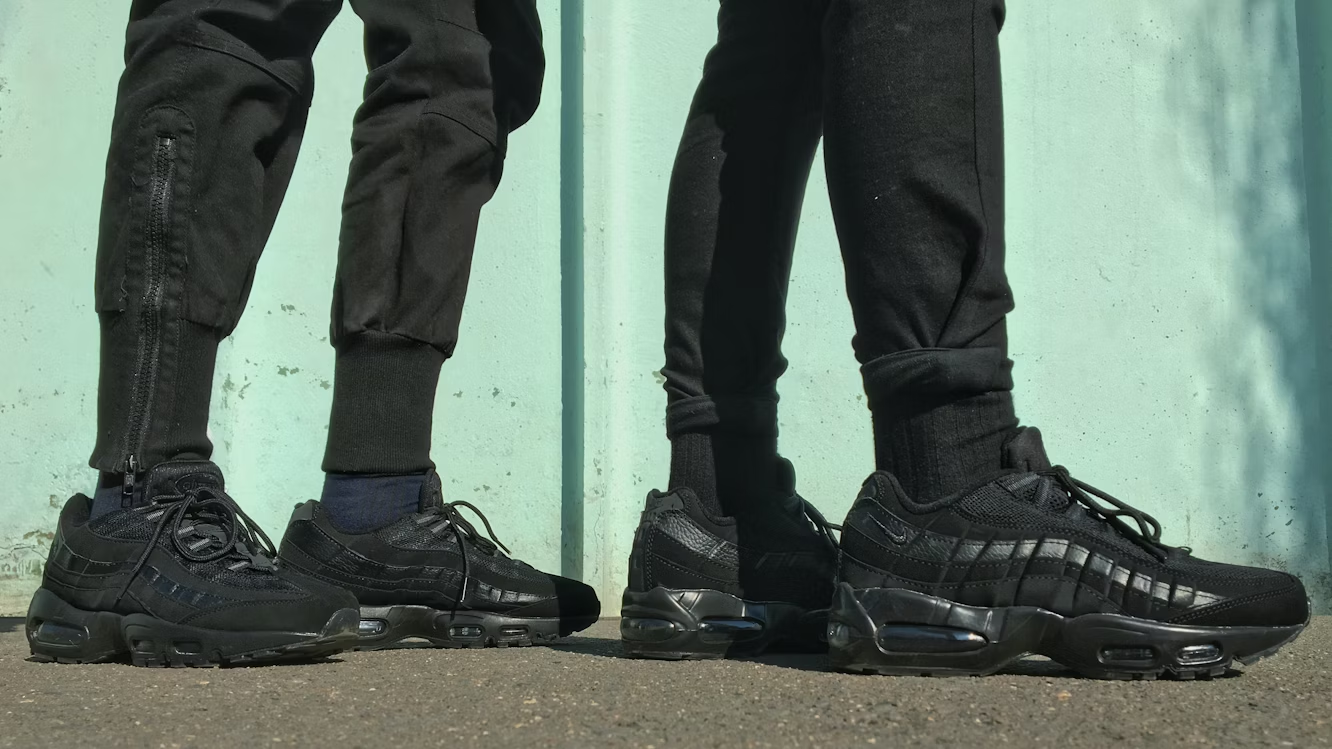
Of everything we have tested in the heightmaxxing space, thick-soled shoes produce the strongest return on investment for adult men. The gain is immediate, the effect is invisible, and in our experience the quality of available options has never been better than it is right now.
A well-chosen thick-soled shoe adds 3 to 5 centimetres of genuine standing height with no visible indication of intervention. We have worn these extensively across casual, professional, and social contexts and have never once had anyone comment on or appear to notice the elevation. Contemporary footwear design has made substantial sole profiles entirely normal across every style category, which is a significant advantage for anyone pursuing this approach.
The upside extends beyond raw centimetres. In our experience, the men who invest in quality thick-soled footwear consistently report an improvement in overall style as a secondary benefit. Chunky trainers, stacked-heel boots, and substantial dress shoes all sit firmly within current menswear norms. We believe this convergence of height optimisation and good style is one of the more underappreciated aspects of this approach.
The one variable we consistently emphasise to readers is proportionality. A sole reads as natural when it matches the visual weight of the shoe. We have found that a 4 centimetre sole on a chunky trainer or stacked chelsea boot draws no attention whatsoever, while the same sole height on a slim minimalist sneaker creates a visible mismatch. Choosing the right silhouette is the entire skill, and it takes one afternoon of research to get right.
What we recommend:
- New Balance 574 or 550: 3 to 4 centimetre sole, our most recommended all-round option
- Chelsea boots with stacked heel: 4 to 5 centimetres, our top pick for professional and smart-casual contexts
- Dr. Martens 1460: 4 centimetres, the most durable option we have tested for daily wear
- Common Projects with thicker sole variants: 3 centimetres, our recommendation for minimal wardrobes
Our verdict: The single best heightmaxxing tool available to adult men. We recommend starting here before anything else in this tier.
Shoe Lifts
Shoe lifts are inserts placed inside existing footwear to add heel elevation from within the shoe. We have tested numerous options across the team over several years, and our view is that quality lifts represent one of the most practical tools available for extending height gains across an existing wardrobe.
The primary advantage we have found in practice is flexibility. A quality pair of lifts can be rotated across multiple shoes, which means a single purchase effectively upgrades an entire wardrobe rather than a single pair. For readers who already own good footwear and do not want to replace it, we consider this the most efficient entry point into footwear-based heightmaxxing.
The elevation range is genuinely useful. Quality multi-layer lifts add between 2 and 5 centimetres depending on configuration. In our experience, the multi-layer design is essential because it allows gradual adaptation. We recommend starting at 2 centimetres for the first two weeks before progressing, which allows posture and gait to adjust naturally. Readers who have followed this protocol consistently report that the elevated stance feels entirely normal within a fortnight.
Our practical sweet spot recommendation is 3 centimetres. We have found this delivers meaningful elevation with no comfort compromise in well-chosen footwear, and the adjustment period is short enough that most readers adapt within days rather than weeks.
What we recommend:
- Tallmenshoes adjustable lifts: our top recommendation for build quality and modularity
- Chamaripa height increasing insoles: reliable and widely available
- Avoid unbranded foam inserts: in our testing these consistently compressed within days and lost most of their stated elevation
Our verdict: An excellent complement to thick-soled footwear. We particularly recommend these for readers who own quality boots or dress shoes and want to extend their height gains without replacing existing wardrobe pieces.
Sock Lifts
Sock lifts integrate elevation directly into the sock construction, adding 1.5 to 2.5 centimetres without requiring a separate insole. We have found these genuinely useful in a specific and fairly narrow set of circumstances.
The use case we recommend them for is slim-cut dress shoes, tailored loafers, and formal footwear with minimal internal volume where a conventional insole does not fit comfortably. In these contexts, a sock lift delivers real elevation without requiring any modification to the shoe. Several members of our team use them specifically for formal occasions where dress shoes are required and conventional lifts are not practical.
The honest comparison we give readers is this: for any footwear with adequate internal volume, a quality shoe lift will outperform a sock lift on every metric. Where sock lifts earn their place is in the gap that conventional insoles cannot fill. We recommend having a pair available for formal contexts rather than treating them as a primary strategy.
Our verdict: Worth owning for specific footwear contexts, particularly formal shoes. Not the primary tool we recommend, but a useful addition to a complete heightmaxxing approach.
Tier 3: Supplementary Tools
Spine Decompression and Hanging
We were initially sceptical about including spine decompression in this guide given how frequently it is overstated in online discussions. After testing it consistently across our team over several months, our view changed considerably.
The direct mechanism is straightforward. Intervertebral discs compress slightly under the load of daily upright activity, and most men measure 0.5 to 1.5 centimetres shorter in the evening than in the morning as a result. Passive hanging allows the discs to partially rehydrate, recovering a meaningful portion of this compression-related loss. In our experience, men who hang consistently for four to six weeks report spending noticeably more of their day at or near their morning height, which represents a real and permanent shift in average daily stature.
The postural benefit is where we believe the real long-term value lies. Consistent hanging combined with thoracic mobility work addresses forward head posture and thoracic kyphosis, both of which cause measurable height loss in a significant proportion of adult men. We have observed readers reporting height gains of 1 to 2 centimetres from postural correction alone after sustained work in this area, with the additional benefit of a visibly more upright and confident physical presence. In our view, this postural dimension makes decompression work worth pursuing independently of any direct height effect.
What we recommend:
- Passive hanging from a pull-up bar: 3 sets of 30 to 60 seconds daily
- Thoracic extension over a foam roller: 5 minutes daily
- Dead hangs combined with shoulder retraction work for postural correction
Our verdict: A worthwhile daily practice that compounds over time. We recommend it to every reader regardless of age, primarily for the postural benefits and secondarily for the direct height recovery.
Glucosamine
Glucosamine appears in heightmaxxing discussions primarily because of its role in cartilage and disc health, with the suggestion that supplementation might support disc hydration and contribute to long-term height maintenance. We have looked at this carefully and our view is nuanced.
As a standalone height intervention, we do not recommend glucosamine. The evidence for a direct height effect is not strong enough to justify positioning it that way, and we prefer to be straightforward with our readers about where the research actually stands.
Where we do think it has a reasonable place is as a long-term joint health supplement for men over 25 who are engaged in regular training. Healthy intervertebral discs retain hydration more effectively than compromised ones, and glucosamine has demonstrated meaningful benefits for cartilage health in clinical research. In that indirect sense, it may support the conditions under which height is better maintained over time.
We include it in our own supplement protocols for joint health reasons rather than height reasons specifically. Readers who are already taking it for joint support can consider the indirect height maintenance benefit a reasonable secondary upside. Readers considering it purely for height should focus their investment elsewhere on this list first.
Our verdict: A reasonable addition to a joint health protocol for men over 25. Not a primary heightmaxxing tool, but one we use ourselves for broader reasons and consider worth including in a complete approach.
The LooksLab Verdict
After years of testing, researching, and collecting feedback from our reader community, our overall view on heightmaxxing is more optimistic than most of what you will find online. The methods work. The aggregate effect of implementing several strategies simultaneously is significantly greater than any single intervention in isolation, and the best options are either free or available at modest cost.
For adolescents, the opportunity is the most significant. Optimised nutrition and consistent training during puberty give the body everything it needs to reach its genetic height potential, producing permanent results that no adult intervention can match. We believe this represents one of the highest-return self-improvement investments available to any young man, precisely because the window is finite and the results are irreversible.
For adult men, the toolkit is different but genuinely effective. In our experience, a combination of thick-soled footwear, quality shoe lifts in existing boots and dress shoes, and consistent decompression and postural work produces aggregate gains of 4 to 7 centimetres for most men who implement everything seriously. That is a meaningful and permanent shift in how tall you appear in every context of daily life.
The ceiling varies by method and life stage. But across every tier of this guide, there is something actionable today, and the compounding effect of getting several things right simultaneously is more powerful than most people expect before they try it.
Frequently Asked Questions
Can you increase height after 21? Perceived height can be increased at any age through footwear and postural correction. In our experience, most adult men who implement a complete approach see combined gains of 4 to 7 centimetres. Skeletal height is fixed after the growth plates close, but this represents only one dimension of the overall opportunity.
How much height do shoe lifts realistically add? Quality shoe lifts add between 2 and 5 centimetres depending on design and footwear. We find 3 centimetres to be the reliable daily-wear target for most boots and dress shoes, combining meaningful elevation with all-day comfort.
Does hanging actually increase height? In our experience, yes, through two mechanisms: temporary disc rehydration that recovers compression-related height loss, and long-term postural correction that produces more durable gains. We consider the postural benefit the more valuable of the two and recommend the practice to all readers.
Is glucosamine worth taking? We take it ourselves for joint health and consider the indirect disc hydration benefit a reasonable secondary upside. As a primary heightmaxxing tool we would direct readers to invest elsewhere first.
What is the fastest way to appear taller? Thick-soled footwear. In our experience it delivers the most immediate and invisible height gain available to adult men, with results on the day of purchase and no adaptation period required.